Life In Our Streams
A one-day workshop on stream ecology, hosted by WREN Center
The Stream Is Telling a Story.
Come Learn to Read It.
A one-day field workshop with four of the region's leading stream biologists, live species, outdoor river demos, and everything you've ever wanted to know about what's living in our streams.
Saturday, April 25, 2026
9AM–4PM @ Laurel Community Center,
Marshall, NC · $30 includes lunch.
Contact [email protected]
*REGISTRATION DEADLINE IS APRIL 22!*
If You've Spent Time on These Rivers, You Know Something Is Happening Out There.
If you've watched the river and wondered what's beneath the surface, what that stonefly hatch means, how a forest and a river are connected, or where these waters finally meet the sea.
Maybe you're an angler who reads the water like a map. Maybe you're a paddler who loves these corridors. Maybe you're a teacher, a naturalist, a parent who wants to understand this place you call home.
You've always suspected the stream is telling a story. On April 25th, some of the best scientists in the region are going to translate it for you.
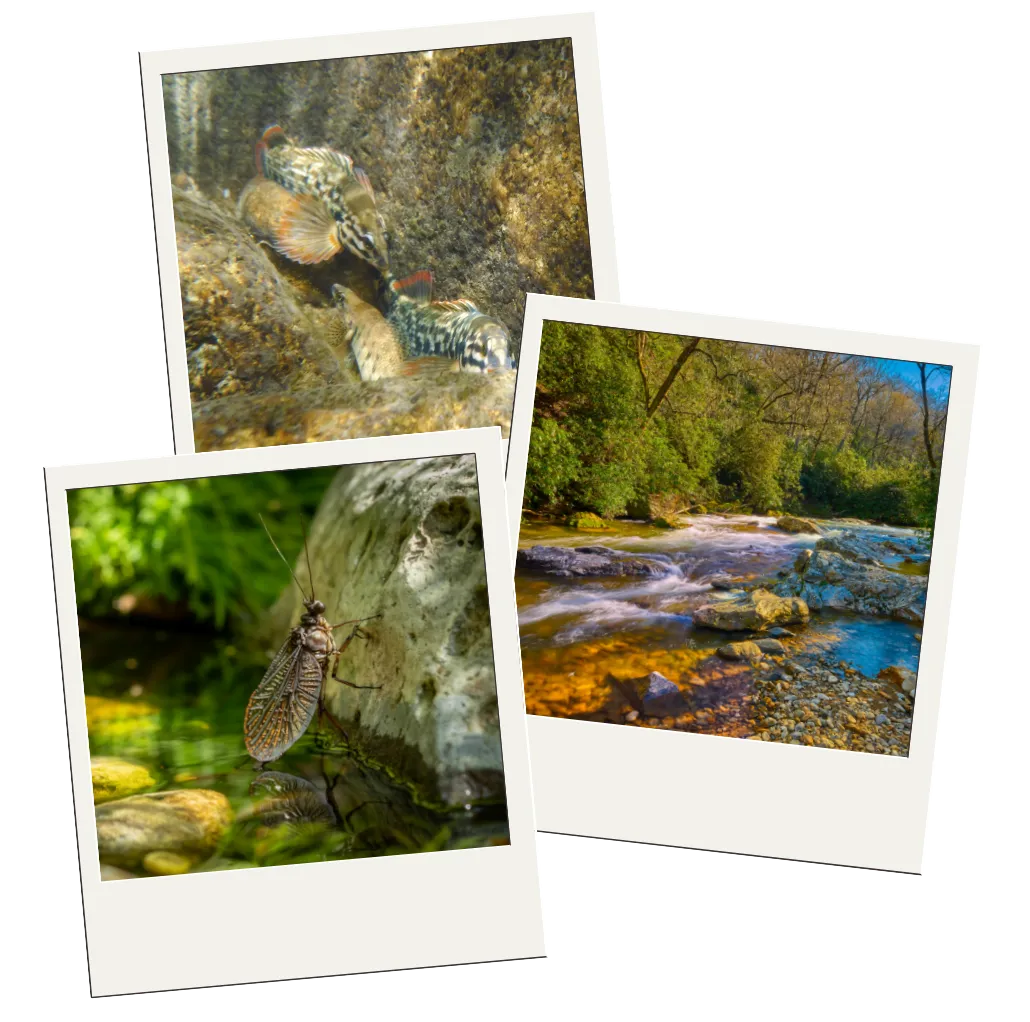
A Short Course on a Long Subject
Life in Our Streams is a one-day, hands-on workshop at the Laurel Community Center in Marshall, NC, with the Shelton Laurel Creek running right outside the door.
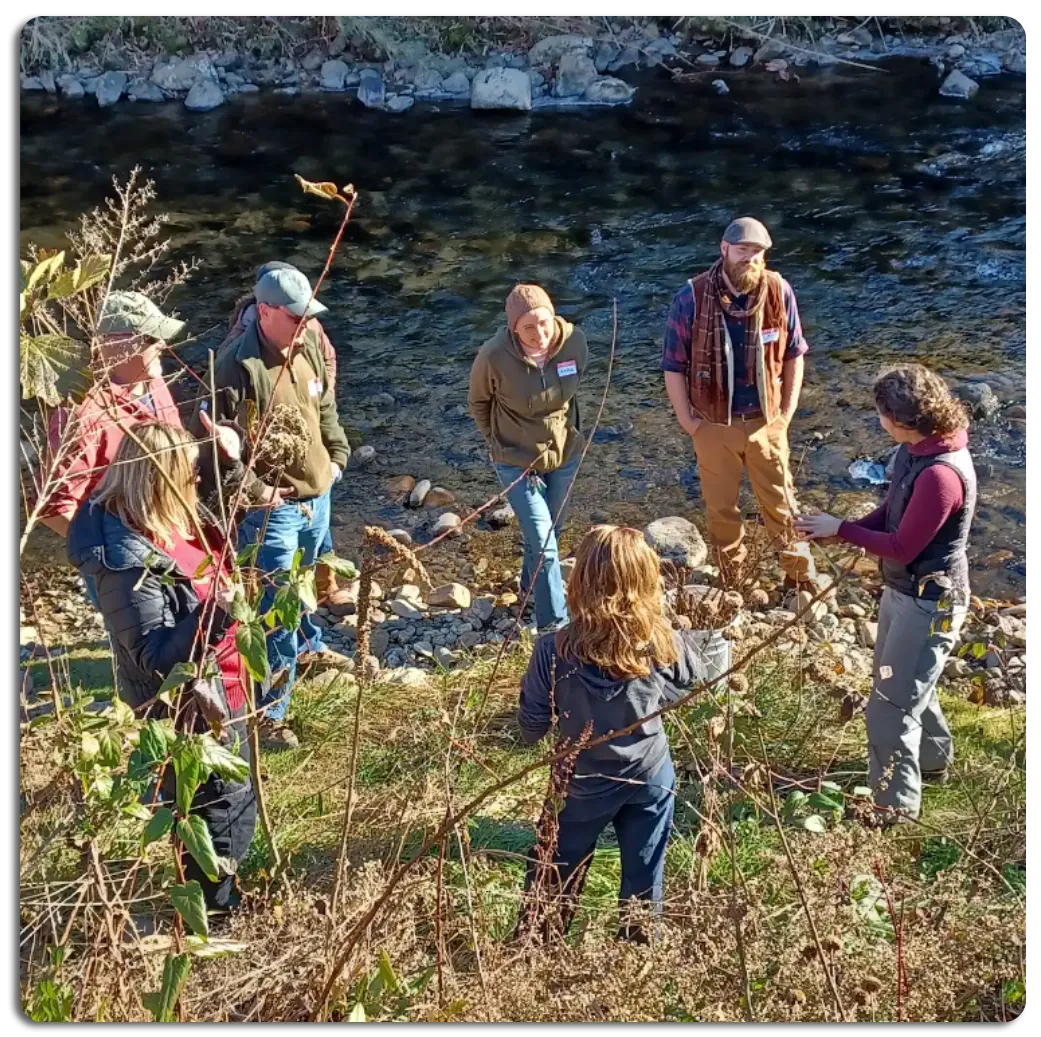
You'll spend the day with four of the region's foremost stream biologists and ecologists, learning through expert presentations and live outdoor demonstrations on the riverbank.
You'll see native fish, aquatic insects, aquatic fungi, and microorganisms up close. You'll understand, maybe for the first time, exactly how a forest feeds a river, and how a river feeds everything that lives downstream.
Expert presentations from four leading stream ecologists
Live outdoor demonstrations on the banks of the Laurel River
Up-close displays of native fish, aquatic insects, fungi & microorganisms
A healthy sack lunch so you can keep the conversation going
Front-row access to the Laurel River, one of the cleanest streams in WNC
A day spent with people who love these rivers as much as you do
This isn't a lecture hall.
It's a field day in one of WNC's healthiest streams with the people who have dedicated their lives to understanding what's living in our water.
Here's What You'll Walk Away Knowing
These are the questions our experts will answer, out loud, outside, on the river.
🐟 What makes a great trout stream, and what's quietly threatening it?
🍂 How does a fallen leaf from a forest tree become food for a fish? The answer involves aquatic fungi... and it's genuinely mind-bending.
💧 How do we know a stream is healthy, or recovering after floods or pollution? What are the signs, and how do scientists read them?
🔬 What's living in the water that you've never been able to see, and what is it telling us about the future of our rivers?
❓ Have your own question? There will be lots of opportunity for those!
*REGISTRATION DEADLINE IS APRIL 22*
Four Scientists Who Have Spent Their Lives Studying Streams
These aren't professors behind a podium. They're field biologists who have waded in rivers and streams all their lives. They know things about these streams that most people will never learn, and they want to share it.
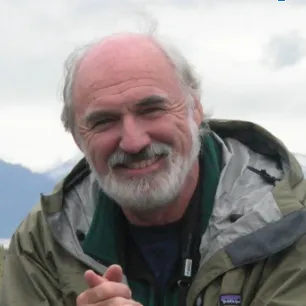
Dave Penrose
Stream Ecologist
Dave spent decades as one of North Carolina's foremost stream biologists, conducting research through NC State University. He can look at a handful of aquatic insects and tell you exactly what condition a river is in. He's one of the leading authorities on stream health in the Southeast, and one of the best teachers you'll ever have outdoors
.

Mary Kelly
Aquatic Ecologist
Mary is a retired ecologist with a PhD from the University of Georgia who has lived and worked in Madison County since 1988. She founded the Laurel River Room, a natural science classroom dedicated to stream ecology, and has spent years monitoring and photographing the astonishing life hiding just beneath the surface of the Laurel River watershed.
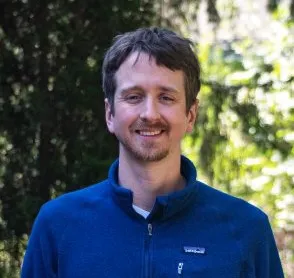
Pat Ciccotto
Aquatic Biologist, Warren Wilson College
Pat is a professor and fish biologist at Warren Wilson College who specializes in the imperiled native fish of Southern Appalachian streams. He's currently leading efforts to reintroduce the Spotfin Chub into the Swannanoa River, and he'll help you see native fish communities the way he does: as the clearest sign of a healthy river.
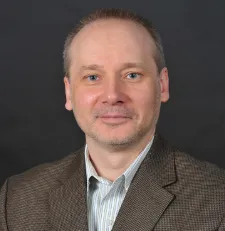
Vlad Gulis
Aquatic Mycologist, Coastal Carolina University
Vlad is one of the world's leading researchers on aquatic fungi, the invisible organisms that make stream food webs possible. Published in Science and Nature, his work reveals how fungi convert fallen leaves into the energy that feeds everything living in a stream. He will change the way you think about every leaf that falls into a river.
What Can a Mayfly Tell You About a Stream?
Macroinvertebrates, the aquatic insects, worms, and crustaceans living on the streambed, are one of the most powerful tools scientists have for understanding stream health. You can't fake a healthy macroinvertebrate community.
Sensitive species like mayflies, stoneflies, and caddisflies are the first to disappear when water quality declines. When they're thriving, it's a reliable sign the stream is cold, clean, and ecologically intact. When they're gone, something is wrong, even if the water looks fine.
At Life in Our Streams, you'll get hands-on time in the water collecting and identifying these organisms alongside the researchers who study them professionally. You'll learn to read a stream the way a scientist does, by looking at what's living in it.
Mayflies, stoneflies & caddisflies (EPT taxa) are considered the gold standard of stream health, their presence signals water clean enough to support one of North America's most biodiverse watersheds.
Join us:
Laurel Community Center
4100 NC Hwy 212
Marshall, NC
North of Asheville, the center is by Shelton Laurel Creek that came through Helene healthy, clean & extraordinary.
$30. One Day. A River Full of Secrets.
Saturday
April 25, 2026
· 9AM–4PM ·
Laurel Community Center
· Includes lunch ·
· 9AM–4PM · Laurel Community Center, Marshall, NC · Includes lunch ·
*REGISTRATION DEADLINE IS APRIL 22*
Our Partners